Understanding Bluffing in Poker
Bluffing is an essential strategy in poker that separates amateur players from seasoned pros. At its core, a bluff aims to convince opponents that one holds a stronger hand than is actually the case. This psychological element adds depth to the game, not merely relying on the cards dealt but appealing to the emotions and judgment of fellow players. Many enthusiasts enjoy exploring various gaming options, including the exciting experiences available at lizarocasinogb.uk , where understanding when and how to bluff effectively can dramatically enhance one’s likelihood of success at the tables.
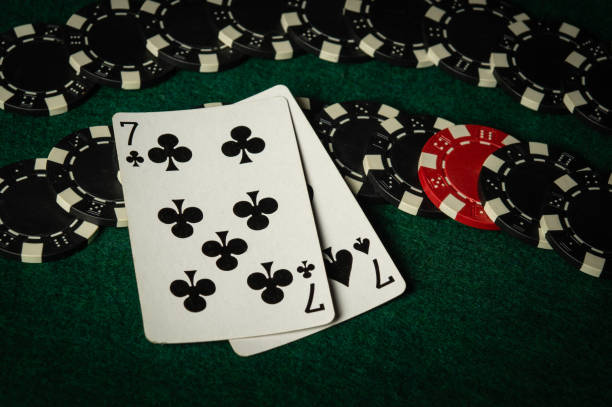
A successful bluff requires careful consideration of various factors, including position at the table, the tendencies of opponents, and the overall dynamics of the game. For instance, bluffing from an early position can be riskier, as more players will act after you. Conversely, a well-timed bluff from a later position can capitalize on opponents’ fears and uncertainties. Recognizing these nuances is crucial for developing a strategic approach to bluffing effectively.
Moreover, the ability to read opponents plays a significant role in successful bluffing. Observing their betting patterns, body language, and reactions can offer key insights into their potential holdings. Are they playing cautiously, or are they overly aggressive? By analyzing these behaviors, one can gauge the likelihood of a successful bluff. Crafting a narrative through your betting can often lead opponents to fold even superior hands, showcasing the psychological battleground that poker can be.
Types of Bluffs
There are various types of bluffs in poker, each serving a unique purpose depending on the situation. The classic “pure bluff” entails betting or raising with a hand that has no chance of winning if called. This type of bluff relies heavily on the idea that your opponents will fold in response to your aggressive play. Successful execution of a pure bluff often hinges on your perception of your opponents’ tendencies and their current state of mind.
Another common technique is the “semi-bluff,” where a player bets or raises with a hand that isn’t currently strong but has the potential to improve. For instance, if you hold a flush draw, betting can pressure your opponents into folding, while you still retain the chance to hit your flush on the next card. Semi-bluffing is a strategic way to keep the pressure on, allowing for multiple avenues of success depending on the outcome of subsequent betting rounds.
Additionally, the “stone-cold bluff” is where a player might bluff in a situation where they have little to no chance of winning, but they push against their opponents’ perceived weaknesses. This often becomes a pivotal moment in a hand, where the psychological aspect of bluffing is amplified. Understanding these different types of bluffs and knowing when to apply them can significantly enhance one’s overall poker strategy.
Developing a Bluffing Strategy
To effectively leverage bluffing in poker, it’s essential to develop a well-rounded bluffing strategy that considers both your style of play and the dynamics of the table. Begin by assessing your opponents; a tight player who rarely bets may be more susceptible to a bluff than a loose player who frequently calls. Tailoring your approach to the specific characteristics of your opponents can greatly increase your chances of success when attempting a bluff.
Position on the table is another critical element in devising your bluffing strategy. Playing from a late position can grant you the advantage of having more information about your opponents’ actions before making your move. For example, if earlier players have shown weakness by checking or folding, it may be an ideal opportunity to make a substantial bet and establish dominance. Recognizing these advantageous moments allows for more effective bluffing opportunities.
Moreover, maintaining a balanced approach to your overall playstyle is vital. If you bluff too frequently, astute opponents will catch on and start calling you, diminishing the effectiveness of your strategy. Conversely, if you never bluff, players will challenge your bets without fear. Striving to maintain a balance between solid hands and well-timed bluffs can create a challenging environment for your opponents and boost your chances of success across multiple sessions.
Reading Opponents and Body Language
The ability to read opponents’ body language and betting patterns can greatly influence the success of your bluffing attempts. Observing how players react when facing a bet can provide crucial information. For example, if a player who typically bets aggressively suddenly becomes passive, it could indicate they are uncertain about their hand, making it an opportune moment for a bluff.
Additionally, physical tells can also play a significant role. Subtle gestures such as fidgeting, changing posture, or even vocal tone can betray the confidence level of your opponents. By honing your skills in reading these cues, you can gain advantages that go beyond the cards themselves. This skill is part of the psychological warfare inherent in poker, and mastering it can drastically improve your bluffing success rate.
However, while reading opponents is essential, it is equally important to be aware of your own tells. Maintaining a consistent demeanor and minimizing conspicuous behavior when you bluff can help you maintain the upper hand. Players tend to unconsciously give away their excitement or disappointment through body language, so controlling these tells can prevent your opponents from gaining insights into your hand. Balancing your expressions while bluffing is key in creating ambiguity and increasing your chances of a successful bluff.
Conclusion: Enhancing Your Poker Journey
Mastering the art of bluffing in poker is a continuous journey filled with learning, adaptation, and strategy. By understanding the different types of bluffs, developing a strategic approach, and paying close attention to your opponents’ behaviors, you can elevate your game and find greater success at the tables. Bluffing is as much about confidence and timing as it is about the cards you hold, making it a vital component of any poker player’s skill set.
Many resources are available to help you refine your bluffing techniques and overall poker strategy. From online tutorials to poker books and even live coaching sessions, there are numerous avenues to gain insights from experienced players. Engaging in continuous learning and practicing these techniques can solidify your prowess and increase your enjoyment of the game.
As you embark on this poker adventure, remember that every hand played presents an opportunity to learn. Embrace the challenges and celebrate the successes, knowing that mastering the art of bluffing will not only enhance your poker skills but also contribute to your overall experience in the world of poker. For further resources and community engagement, consider exploring platforms dedicated to fostering poker education and camaraderie among enthusiasts.
